Market Metrics, Target Yields, and Capital Stack Structure
A typical hotel development capital stack breaks down into three distinct layers. Senior Construction Loans cover 50–60% of total project costs (Loan-to-Cost, or LTC). Interest rates on senior construction debt are tied to the SOFR benchmark and range from 7.5% to 9.5% annually. Mezzanine financing or Preferred Equity covers an additional 15–25% of total cost at 11–14% annually. Sponsor equity along with Limited Partners (LP) funding supplies the remaining 20–30%.
Hotel operational performance relies on three core metrics: Average Daily Rate (ADR), Occupancy Rate, and Revenue per Available Room (RevPAR). Select-Service and Extended-Stay properties maintain average EBITDA margins of 30–35% with occupancy rates ranging between 68% and 74%. These formats require lean staffing models, keeping payroll expenses low while generating consistent, resilient operational cash flow.
Target geography heavily dictates final exit capitalization. Sunbelt states—including Florida, Texas, Arizona, and North Carolina—outperform national averages driven by strong population growth and business migration. Stabilized properties in these markets deliver Cash-on-Cash returns of 8–11% annually. Sustained growth in domestic drive-to tourism and mid-length business travel provides an additional demand driver.
Development Phases, Entitlements, and Franchise Agreements
Executing a hotel development project in the US takes 24 to 36 months, moving through structured phases bound by strict municipal and federal regulations.
The initial phase focuses on site selection and obtaining land entitlements. Developers must secure approval from the local Planning Commission along with a Conditional Use Permit. Site rezoning or securing zoning variances typically takes 6 to 12 months, requiring public hearings and Phase I Environmental Site Assessments (ESA).
Selecting the operational brand sets the property’s occupancy trajectory and valuation. Most commercial hotel developments use franchise agreements with global operators like Marriott, Hilton, Hyatt, or IHG. Signing a Letter of Intent (LOI) and Franchise Agreement requires an initial Application Fee of $50,000–$75,000. Ongoing royalty fees average 4–6% of gross room revenue, with an additional 3–4% allocated to systemwide marketing and loyalty program funds.
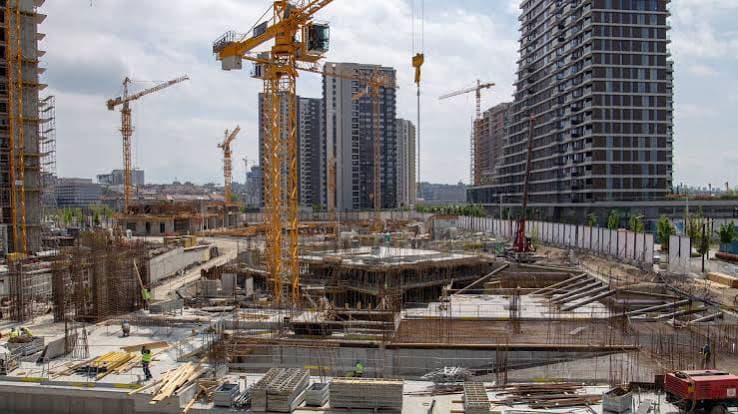
Construction begins once the city issues a Building Permit and the sponsor executes a Guaranteed Maximum Price (GMP) contract with a general contractor. The GMP structure protects investors against cost overruns by shifting budget risks to the construction firm. The vertical build phase spans 14 to 18 months. Upon completion, the local building department issues a Certificate of Occupancy, authorizing official opening and guest bookings.
The EB-5 Program and Public Capital Subsidies
The EB-5 Immigrant Investor Program remains a popular mechanism for accessing low-cost capital for hotel construction. Under the Reform and Integrity Act (RIA), the minimum investment threshold stands at $800,000 per investor for projects in Targeted Employment Areas (TEAs)—defined as rural areas or locations with high unemployment. Outside TEAs, the minimum threshold is $1,050,000.
EB-5 capital typically enters the capital stack as a low-cost mezzanine loan (costing the developer 2–4% annually) or as preferred equity. Program compliance requires creating at least 10 full-time jobs per investor. Job creation for construction projects is calculated using economic impact models (such as RIMS II or IMPLAN) based on direct, indirect, and induced development expenditures.
Sponsors also layer in public financial incentives to lower overall capital costs:
- Tax Increment Financing (TIF): Reimburses developers for site infrastructure and utility work using projected future increases in property tax revenues generated by the new hotel.
- Opportunity Zones: Allows investors to deploy capital gains into Qualified Opportunity Funds targeting designated economically distressed areas. Holding the investment for at least 10 years eliminates all federal capital gains taxes on the newly created equity upon exit.
- C-PACE (Commercial Property Assessed Clean Energy): Provides long-term financing for building energy systems (HVAC, high-efficiency glazing, solar installations). The assessment is repaid through a special property tax line item at 6–8% interest over terms up to 30 years.
Tax Structures, Cost Segregation, and Exit Strategies
Hotel construction and operations face tax exposure across federal, state, and local jurisdictions. The federal corporate income tax rate stands at 21%. State corporate income taxes range from 0% in states like Florida, Texas, Nevada, and Wyoming to 9.8% in Pennsylvania. Local property taxes add an annual cost equal to 1–2.5% of the assessed property value.
Sponsors optimize tax liabilities through Cost Segregation Studies. Conducted by specialized engineers and accountants, this study reclassifies building assets into shorter-lived tax depreciation schedules:
- Personal Property (Furniture, Fixtures & Equipment - FF&E): Depreciated over 5 and 7 years.
- Land Improvements (Paving, retaining walls, exterior lighting, site amenities): Depreciated over 15 years.
- Building Core and Shell: Depreciated over standard 39-year schedules.
Combining cost segregation with Bonus Depreciation allows investors to write off a major portion of building systems and site improvements in Year 1. This generates substantial paper losses that offset operational profits, driving net taxable income for investors down to zero during early operating years.
Capital realization occurs either through selling the stabilized asset to institutional buyers (such as REITs) or through a debt refinancing. Sales executing at capitalization rates (Cap Rates) between 6.5% and 7.5% incur federal Capital Gains Tax up to 20%, alongside a 25% Depreciation Recapture Tax.
Alternatively, developers utilize Section 1031 Exchanges to defer capital gains tax liabilities. A 1031 Exchange defers all capital gains and recapture taxes provided full net sale proceeds are reinvested into a like-kind commercial real estate property of equal or greater value within 180 days of closing.
This material is for general information only and does not constitute legal, immigration, investment, or tax advice. Program requirements and processing practices may change. Individual results depend on the applicant’s circumstances, visa availability, USCIS decisions, and project performance.